
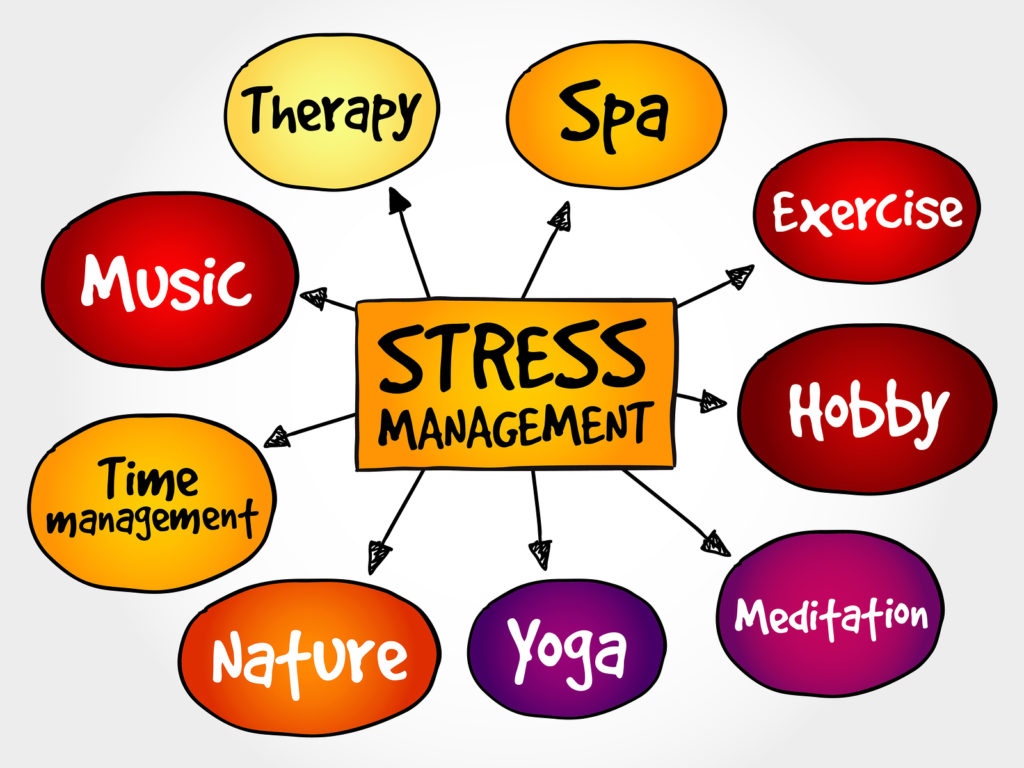

Many people in Nunavut feel tired, stressed, or “drained” for long periods, but they may not realise these symptoms could be linked to adrenal fatigue or burnout. Although they can seem similar, these two conditions have different causes and effects. Knowing the difference can help residents of Nunavut take better steps toward recovery and a healthier lifestyle.
What is Adrenal Fatigue?
Adrenal fatigue is believed to happen when the adrenal glands (small organs above the kidneys) work too hard for too long. These glands produce hormones like cortisol, which helps the body handle stress. In theory, constant stress can exhaust them, leading to tiredness and weakness.
Possible signs of adrenal fatigue:
- Constant tiredness even after sleeping
- Cravings for salty or sweet foods
- Trouble getting up in the morning
- Feeling lightheaded when standing up
- Low motivation
While adrenal fatigue is not recognised as an official medical diagnosis, many in Nunavut report these symptoms and look for ways to support their adrenal health.
What is Burnout?

Burnout is a different problem. It happens when emotional, physical, and mental stress build up over time, often from work, school, or family pressures. It can affect anyone, but people in Nunavut who face long working hours or high responsibilities may be more at risk.
Signs of burnout:
- Feeling emotionally empty or detached
- Loss of passion for work or hobbies
- Irritability or frustration with small things
- Difficulty focusing or making decisions
- Frequent headaches or muscle pain
Burnout is recognised as a workplace and lifestyle issue rather than a hormonal disorder.
Key Differences
Although adrenal fatigue and burnout share some symptoms, they are not the same.
In general:
- Adrenal fatigue focuses on the adrenal glands and hormone levels.
- Burnout is mainly about mental and emotional exhaustion, even if it causes physical tiredness too.
- Adrenal fatigue symptoms often involve body changes like cravings or dizziness.
- Burnout symptoms are more about mood changes and motivation loss.
How People in Nunavut Can Recover
Recovery depends on the type of problem you have. The first step is to recognise what’s happening and seek guidance from a health professional.
Tips for adrenal support:
- Eat balanced meals with fresh local foods where possible
- Get regular sleep and keep a consistent bedtime
- Avoid too much caffeine or processed sugar
- Try gentle activities like walking or yoga
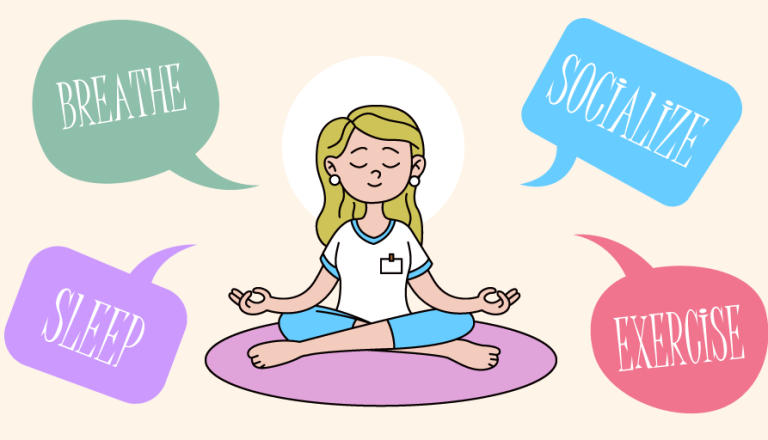
- Manage daily stress through breathing exercises
Tips for burnout recovery:
- Take regular breaks during work
- Spend time with friends, family, or nature in Nunavut’s peaceful surroundings
- Set realistic goals and avoid overcommitting
- Ask for support from your workplace or school
- Do hobbies that bring joy and relaxation
Prevention for Nunavut Residents
Living in Nunavut brings unique challenges, such as long winters, less daylight, and remote working conditions. That’s why prevention matters. Small lifestyle changes can help protect both your body and mind.
Helpful habits:
- Maintain social connections even in isolated areas
- Use daylight hours for outdoor time to boost mood
- Keep healthy snacks at hand during busy days
- Practice mindfulness or prayer daily
- Plan rest days to recharge
In Nunavut, distinguishing between adrenal fatigue and burnout is crucial for effective recovery. Understanding their hormonal and emotional differences helps guide healthy habits and prevention strategies tailored to the region.
Leave a Comment