
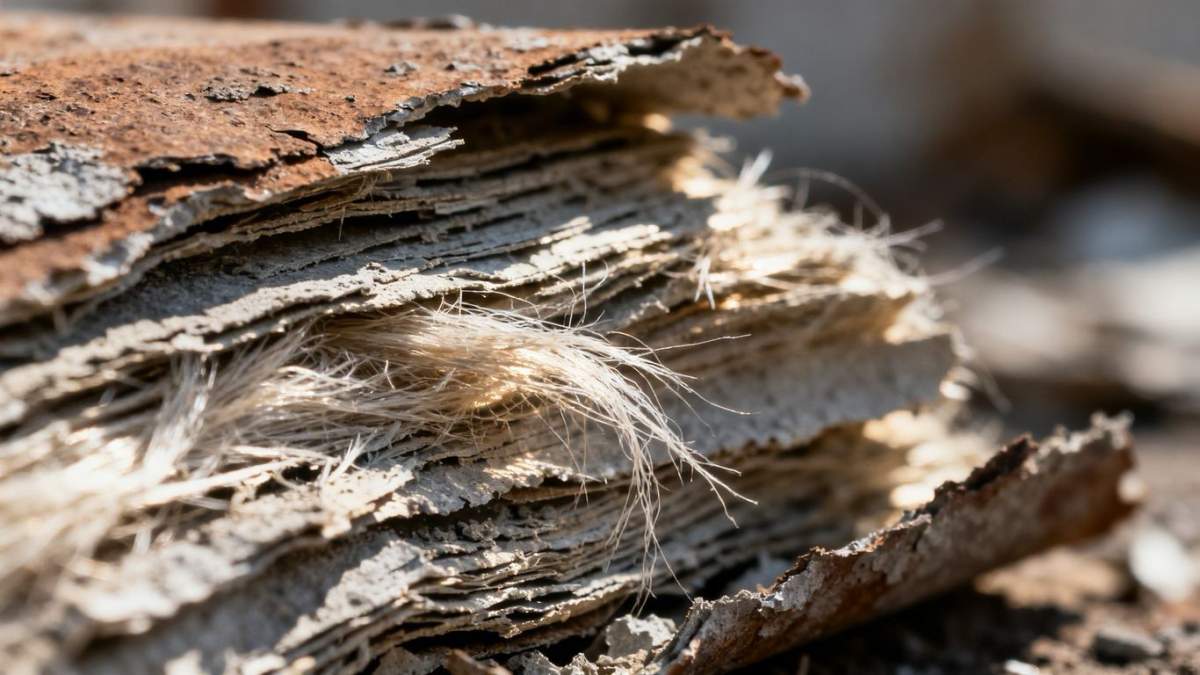

Diseases Linked to Asbestos Inhalation
When asbestos fibers are inhaled, they can settle deep within the lungs. Over time, these microscopic particles can cause significant damage. One of the most serious outcomes is mesothelioma, a rare but aggressive cancer that affects the lining of the lungs, abdomen, or heart. Beyond mesothelioma, asbestos exposure is strongly linked to lung cancer. It’s important to note that the risk of lung cancer is dramatically increased for individuals who both smoke and have been exposed to asbestos. The combined effect is far greater than the sum of their individual risks.
Carcinogenic Classification of Asbestos
Regulatory and scientific bodies worldwide have recognized asbestos as a significant health hazard. It is classified as a known human carcinogen by major organizations, including the U.S. Department of Health and Human Services (HHS), the U.S. Environmental Protection Agency (EPA), and the International Agency for Research on Cancer (IARC). This classification is based on extensive scientific evidence demonstrating its ability to cause cancer in humans. The evidence is particularly strong for mesothelioma and lung cancer, but links to other cancers, such as those of the larynx and ovary, have also been established.
Non-Malignant Lung Conditions from Asbestos
Beyond cancer, asbestos exposure can lead to several non-malignant but debilitating lung conditions. A primary example is asbestosis, a chronic lung disease characterized by scarring of lung tissue. This scarring can make breathing increasingly difficult, leading to symptoms like shortness of breath and a persistent cough. Other conditions include pleural abnormalities, such as pleural plaques (thickening of the lung lining), pleural thickening, and benign pleural effusions (fluid buildup around the lungs). While these pleural conditions themselves are not cancerous, their presence can indicate significant past asbestos exposure and may be associated with an increased risk of developing lung cancer later on.
Identifying Who Is At Risk
Occupational Exposure Risks
Many people face risks from asbestos exposure due to their jobs. This is especially true for those working in industries where asbestos was commonly used for insulation, fireproofing, and construction materials. When these materials are disturbed, such as during renovation, demolition, or maintenance, asbestos fibers can become airborne and inhaled. Workers in construction, shipbuilding, and automotive repair are particularly vulnerable.
- Demolition and Renovation: Workers involved in taking down or updating older buildings often encounter asbestos-containing materials. This is a significant source of exposure, as the process can release fibers into the air.
- Manufacturing and Installation: Historically, workers who manufactured or installed asbestos products, like insulation or tiles, faced high exposure levels.
- Maintenance and Repair: Personnel who maintain older facilities, such as power plants or factories, may disturb asbestos materials during routine work.
Environmental and Household Exposure
While occupational settings are a primary concern, asbestos exposure isn’t limited to the workplace. Environmental contamination can occur when asbestos-containing materials are present in homes or public buildings and begin to deteriorate. This can happen naturally over time or when materials are damaged by renovations or accidents. For instance, if an old asbestos-insulated pipe in a home breaks, fibers can spread. Family members can also be exposed indirectly if workers bring fibers home on their clothing. Understanding how to manage these materials is key to preventing exposure.
Vulnerable Industries and Professions
Certain sectors have historically seen higher rates of asbestos-related illnesses due to the widespread use of asbestos in their operations. These include:
- Construction and Trades: Including electricians, plumbers, and carpenters who work with building materials.
- Manufacturing: Workers in factories that produced asbestos-containing products.
- Transportation: Particularly those involved in maintaining older vehicles, like brake mechanics.
- Emergency Responders: Firefighters and other first responders may encounter asbestos during building fires or collapses.
Factors Influencing Asbestos-Related Disease Risk
Dose, Duration, and Fiber Characteristics
The amount of asbestos someone is exposed to, and for how long, plays a big role in whether they might get sick. Higher exposure levels and longer exposure times generally mean a greater risk. It’s not just about quantity, though. The actual type of asbestos fiber matters too. Different asbestos fibers have different sizes, shapes, and chemical makeups. Some types, particularly amphibole forms, tend to linger in the lungs longer than others, potentially increasing the risk of certain diseases like mesothelioma. Understanding these fiber properties is key to assessing risk, as detailed in research on fiber input and exposure duration.
The Synergistic Effect of Smoking
When asbestos exposure is combined with smoking, the health risks can become significantly amplified. For lung cancer, the risk for smokers exposed to asbestos is much higher than just adding the individual risks of smoking and asbestos together. It’s a dangerous combination. While quitting smoking can help reduce the risk of lung cancer for those exposed to asbestos, it doesn’t seem to increase the risk of mesothelioma. Still, anyone with a history of asbestos exposure, or who suspects they might have been exposed, should avoid smoking altogether.
Individual and Genetic Predispositions
Beyond external factors, a person’s own body can influence their susceptibility to asbestos-related diseases. Pre-existing lung conditions can make individuals more vulnerable. Furthermore, genetic factors are starting to be recognized as playing a part. For instance, certain inherited genetic mutations, like those in the BAP1 gene, have been linked to an increased risk of developing asbestos-related cancers. This means that even with similar exposure levels, some individuals may be more prone to developing illness due to their unique biological makeup.
Detecting Asbestos-Related Illnesses
Recognizing Potential Symptoms
It’s important to know that symptoms from asbestos exposure often don’t show up for a very long time, sometimes decades after someone was first exposed. If you have a history of working with or being around asbestos, and you start noticing certain changes in your health, it’s a good idea to talk to a doctor. Some signs to watch out for include:
- Persistent cough that seems to get worse over time.
- Unexplained shortness of breath or difficulty breathing.
- Chest pain or a feeling of tightness.
- Wheezing or a hoarse voice.
- Unexplained weight loss or loss of appetite.
- Feeling unusually tired or experiencing anemia.
Diagnostic Imaging and Tests
When you see a doctor about potential asbestos-related issues, they might suggest a few different tests. A common first step is a chest X-ray. While it can’t find the asbestos fibers themselves, it can show signs of lung damage or changes in the lining of the lungs that might be related to past exposure. Lung function tests are also frequently used to see how well your lungs are working. These tests help assess breathing capacity and identify any restrictions. Sometimes, a procedure called a bronchoscopy might be performed. This involves looking into the airways with a small camera and can help collect samples from the lungs.
Confirming Asbestos Fiber Presence
To definitively confirm the presence of asbestos fibers in the lungs, a more invasive procedure like a lung biopsy might be necessary. This involves surgically removing a small piece of lung tissue, which is then examined under a microscope for asbestos fibers. While this is the most reliable way to confirm exposure, it’s important to understand that these tests can’t tell you how much asbestos you were exposed to or if you will definitely develop a disease. Other bodily fluids like urine or mucus can be tested for fibers, but these aren’t considered reliable indicators of lung contamination.
Preventing Asbestos Exposure and Its Consequences
Preventing exposure to asbestos is the most effective way to avoid the serious health issues it can cause. Because asbestos fibers are so small and can remain airborne for extended periods, vigilance is key in both occupational and residential settings. Minimizing contact with asbestos-containing materials (ACMs) is paramount to safeguarding public health.
Minimizing Exposure in the Workplace
Industries that historically used or currently deal with asbestos, such as construction, shipbuilding, and automotive repair, must implement strict protocols. Employers are legally obligated in many regions to protect workers. This involves:
- Training and Education: Ensuring all personnel understand the risks associated with asbestos and know how to identify potential ACMs.
- Personal Protective Equipment (PPE): Providing and mandating the use of appropriate respirators, gloves, and protective clothing.
- Work Practices: Developing and adhering to safe work procedures for tasks that might disturb ACMs, such as cutting, sanding, or demolition. This includes proper ventilation and containment strategies. The European Commission has adopted new measures to enhance the protection of workers against asbestos, a substance known to cause cancer [ac1b].
- Monitoring: Regularly monitoring air quality to ensure fiber levels remain below established safety limits.
Safe Handling of Asbestos-Containing Materials
When asbestos-containing materials are present in buildings, the primary rule is to leave them undisturbed if they are in good condition. If ACMs are damaged or require removal, it should only be undertaken by licensed and trained professionals. Attempting to repair or remove asbestos materials without proper expertise can release dangerous fibers into the air, significantly increasing exposure risks. Professionals use specialized equipment and techniques to safely contain and dispose of asbestos waste, preventing its spread into the environment.
Reducing Household Contamination Risks
Many older homes, particularly those built before the 1980s, may contain asbestos in insulation, flooring, roofing, and pipe wrap. The danger arises when these materials degrade or are disturbed during renovations or repairs. Homeowners should:
- Identification: If you suspect asbestos is present, do not disturb it. Consult with a qualified asbestos inspector to confirm its presence and condition.
- Professional Abatement: For any planned renovations or if materials are damaged, hire certified asbestos abatement professionals. They have the knowledge and equipment to manage the situation safely.
- Avoid DIY: Refrain from DIY projects involving materials that might contain asbestos. The risk of accidental exposure and subsequent health problems is too high. Managing asbestosis involves avoiding further exposure to asbestos and other lung irritants like cigarette smoke to slow disease progression [f494].
The Global Impact of Asbestos Exposure
Annual Mortality and Morbidity Estimates
It’s a sobering fact that asbestos exposure continues to cause a significant number of deaths worldwide each year. The World Health Organization (WHO) and the International Labour Organization (ILO) have put estimates together, and they paint a stark picture. Based on recent data, over 200,000 people die annually due to asbestos exposure at work. This number is quite high, making up more than 70% of all cancer deaths that are linked to jobs. Beyond just deaths, asbestos exposure also leads to a lot of illness, measured in millions of lost







Leave a Comment