
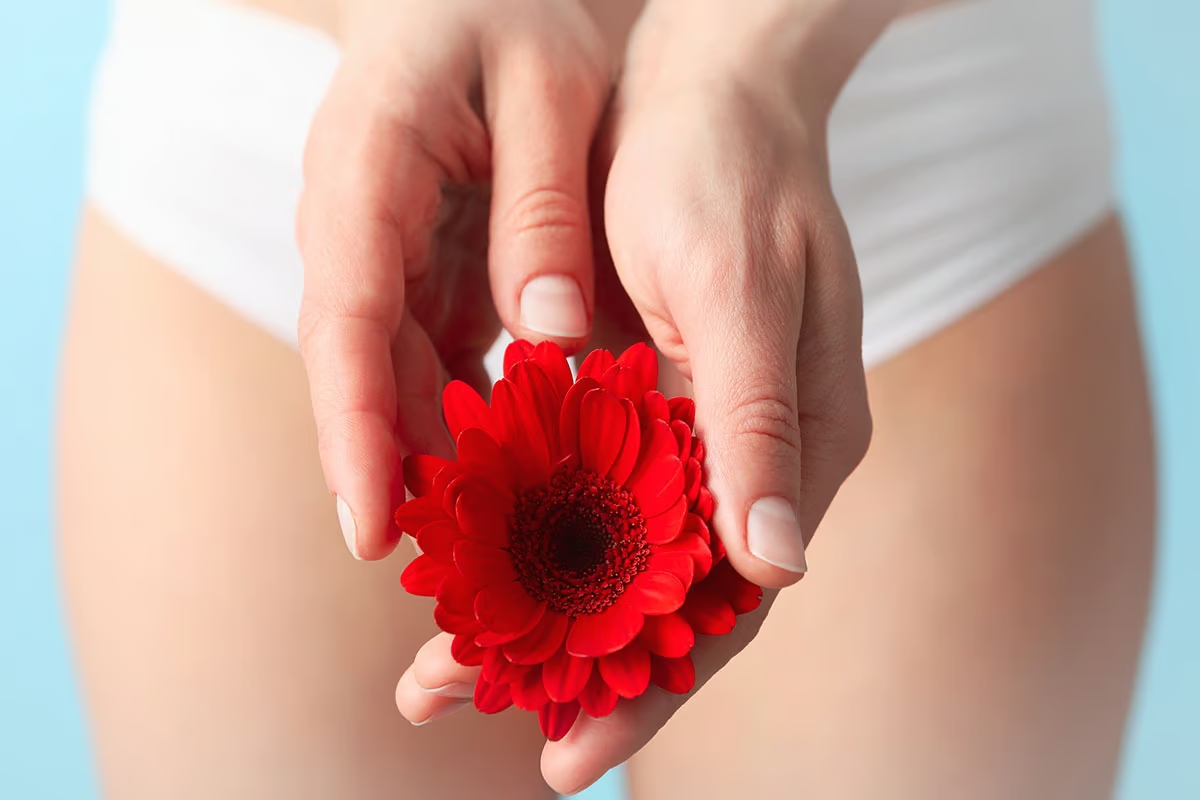

There’s a lot of conflicting advice online about vaginal hygiene—much of it incorrect and some of it actually harmful. The vagina is a remarkable self-regulating system, and most problems come from doing too much rather than too little. When it comes to how to keep your vagina clean and smelling good, the best approach is often the simplest: wash the external area (the vulva) gently with water or mild, unscented soap, and avoid internal douching.
Maintaining a healthy environment also involves wearing breathable cotton underwear, staying hydrated, and avoiding scented products that can disrupt your natural pH balance.
The vagina itself – the internal canal – requires no cleaning at all. It is self-cleaning.
Understanding the Difference: Vagina vs. Vulva
This distinction matters a lot:
- Vulva – the external genitalia: the labia majora, labia minora, clitoris, and vaginal opening. This area can and should be cleaned gently.
- Vagina – the internal canal leading to the cervix. This is self-cleaning and should never be internally washed or douched.
Most hygiene guidance (and most products marketed to women) are for the vulva – but they’re often mislabeled as “vaginal” products, which causes confusion.
The Vagina Cleans Itself – Here’s How
The vagina maintains itself through:
- Natural discharge – this is the cleaning mechanism. It carries dead cells and bacteria out of the body.
- Lactobacillus bacteria – these beneficial bacteria maintain an acidic pH (around 3.8-4.5), which prevents harmful organisms from taking hold.
- Mucus from the cervix – adds to the self-cleaning process
Disrupting any of these mechanisms – especially with soaps, sprays, or douches – actually causes odor and infection by removing the protective bacteria.
Daily Hygiene Habits That Work
Wash the Vulva Gently
Use warm water and, if you prefer soap, choose something unscented, pH-balanced, and gentle – like Dove Sensitive or a dedicated intimate wash with a pH around 4-5. Wash only the outer folds of the labia.
Never use:
- Scented soaps directly on the vulva
- Body scrubs or exfoliants
- Antibacterial soaps (they kill protective bacteria)
- Hot water (can cause irritation)
Rinse thoroughly – any soap residue left behind can cause irritation.
Change Underwear Daily
Moisture-trapping is one of the leading causes of bacterial overgrowth and odor. Fresh underwear daily is essential.
Best underwear choices:
- Cotton – breathable and moisture-wicking
- Light-colored when possible (makes it easier to notice discharge changes)
- Avoid tight synthetic fabrics for everyday wear
Let the Area Breathe
- Sleep without underwear when possible – gives the area a chance to breathe overnight
- Avoid tight jeans or leggings for extended periods
- Change out of wet swimwear or gym clothes promptly
Stay Hydrated
Adequate water intake affects the quality and odor of all bodily secretions, including vaginal discharge. Dehydration concentrates body fluids and can make natural odor more pronounced.
Wipe Front to Back
Always wipe from front to back after using the toilet. Wiping back to front transfers bacteria from the rectum toward the vaginal opening – a major contributor to UTIs and bacterial vaginosis.
Change Menstrual Products Regularly
During your period:
- Change tampons every 4-8 hours (never leave one in longer than 8 hours)
- Change pads every 4-6 hours or when saturated
- Menstrual cups should be emptied and rinsed every 8-12 hours
- Avoid scented pads and tampons – they disrupt pH
What Affects Natural Odor

A healthy vagina has a mild, natural scent. Various things can alter it without indicating a problem:
| Factor | Effect on Odor |
|---|---|
| Menstrual cycle phase | Odor is slightly stronger during and after period |
| Sexual activity | Semen temporarily raises vaginal pH, affecting smell |
| Exercise and sweat | Stronger scent until washed |
| Diet | Strong-smelling foods (garlic, onion, asparagus) can influence body odor |
| Hydration | Dehydration makes odor more concentrated |
| Stress | Can affect hormones that influence discharge and odor |
Foods That Support Vaginal Health
| Food | Benefit |
|---|---|
| Plain yogurt / kefir | Probiotic bacteria support vaginal flora |
| Water | Hydration reduces odor concentration |
| Cranberry (unsweetened) | May help prevent UTIs |
| Leafy greens | Support circulation and hormonal balance |
| Garlic | Natural antimicrobial properties |
| Limit: refined sugar | Excess sugar feeds Candida overgrowth |
What to Absolutely Avoid
- Douching – the most harmful thing you can do. It flushes out protective bacteria, raises pH, and dramatically increases risk of BV, yeast infections, and STIs.
- Scented sprays and deodorants on or inside the vagina
- Flavored lubricants – contain sugars that feed bacteria
- Talcum powder – possible cancer risk when used in the genital area; cornstarch-based options are safer
- Tight synthetic underwear daily – traps heat and moisture
When to See a Doctor
Odor changes are often the first sign of an imbalance. See a gynecologist if:
- You notice a strong fishy smell – especially after sex (possible bacterial vaginosis)
- Discharge changes in color, texture, or amount significantly
- There’s itching, burning, or swelling
- Odor persists despite good hygiene practices
These aren’t hygiene failures – they’re medical conditions that respond well to treatment.
Bottom Line
Keeping your vagina clean and smelling good is mostly about what you don’t do: don’t douche, don’t use scented products internally, don’t disrupt the natural bacterial balance. The vagina manages itself. Your job is to keep the external vulva clean, wear breathable fabrics, stay hydrated, and eat well. Less intervention, not more, is the foundation of genuine vaginal health.







Leave a Comment