
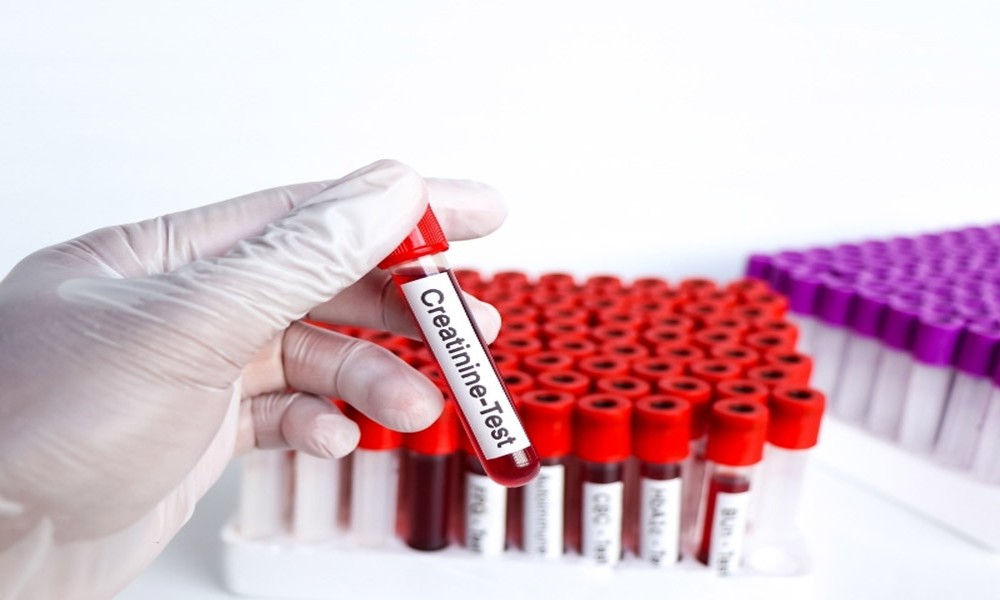

Creatinine is a waste product that is released during the muscle metabolic process. It is measured in both urine and serum. Creatinine travels through the bloodstream and is filtered out by the kidneys, eventually leaving the body through urine. By measuring creatinine levels in the blood or urine, clinicians can get a clear idea of how well the kidneys are working.
A creatinine test is recommended to evaluate the function of the kidneys. The test aids in monitoring ongoing kidney issues, finding out kidney-related conditions, and assessing the effectiveness of treatments such as dialysis. This test is often included as part of routine health check-ups.
Why is a creatinine test recommended?
This test is suggested to patients who come up with some signs of kidney-related issues such as high blood pressure, unusual tiredness, swelling in the body, or some noticeable changes in urination. It is also suggested to those who are at a higher risk for kidney disease, such as those with diabetes, hypertension having a family history of renal disorders.
In addition, this test also helps clinicians determine whether current medications are suitable and need some adjustment, especially in patients already diagnosed with kidney conditions.
Signs of high creatinine levels
Elevated creatinine levels can indicate that the kidneys are not working well enough to remove toxins or waste from the body. This may lead to symptoms such as:
- Persistent fatigue
- Changes in urination frequency
- Swelling due to fluid build-up
- Muscle cramps
- Nausea or vomiting
- High blood pressure
- Chest discomfort
- Itching
If these symptoms appear, it’s important to not ignore them, as early attention can help take steps in order to prevent future complications.
To know creatinine test price, do an online search to find out an affordable and reliable diagnostic centre near you.
How to prepare for the test
It is a simple test and usually requires a blood sample. Staying well hydrated before the test is helpful. Avoid taking excessive caffeine prior to the test as it can cause dehydration. Fasting is usually not required for this test; however, it is always useful to avoid creatinine supplements beforehand, as they may alter the results.
You should also inform your doctor about any medications you are taking, such as antibiotics, painkillers and diuretics, since these can alter the readings. It is wise to refrain from doing heavy exercise and excessive meat consumption for about 24 hours before the test.
The sample for this test is typically drawn from a vein in your arm by a trained phlebotomist. The procedure takes only a few minutes to complete.
Why this test matters
Regular testing to evaluate creatinine levels can help identify kidney issues at an early stage, track the chronic kidney disease stage, and guide treatment decisions. It adds tremendous value with respect to kidney wellbeing in that it allows actions to be taken before further damage to the kidneys occurs which support long-term health outcomes.
Additional factors
Although serum creatinine is an effective way to look at your creatinine levels, there are other factors such as age, sex and body size, that may affect the creatinine levels in the blood.
Disclaimer: This information is for general awareness only. For personalised guidance, always consult a qualified healthcare professional.
Leave a Comment